Article Plan: Unmasking Autism PDF Free
This comprehensive guide explores the journey of unmasking autism, detailing its complexities, benefits, and challenges, alongside resources and the impactful work
of Devon Price.
Autism unmasking is a relatively recent, yet profoundly important, concept gaining traction within the neurodiversity movement. It represents a conscious and often challenging process where autistic individuals intentionally reduce or cease behaviors adopted to blend into neurotypical society. For many, this involves dismantling years of learned strategies designed for social survival, a process often triggered by increased self-awareness and a desire for authenticity.
Historically, autistic individuals have been encouraged – or even pressured – to conform, leading to the development of “masking” behaviors. Unmasking, therefore, is the opposite: a reclaiming of one’s true self. It’s not about abandoning all social awareness, but rather about creating safe environments where constant performance isn’t required. This exploration delves into the history, motivations, and implications of unmasking, referencing key insights from Dr. Devon Price’s influential work, “Unmasking Autism,” and available resources.
What is Masking in Autism?
Masking, within the context of autism, is the act of suppressing autistic traits and mimicking neurotypical behaviors to navigate social situations. It’s a learned survival skill, often developed unconsciously from a young age, driven by a desire to fit in and avoid negative social consequences. This can manifest in various ways, from consciously imitating facial expressions and body language to suppressing stimming behaviors and forcing eye contact.
Essentially, masking involves creating a persona – a façade – that conforms to societal expectations. While it can provide short-term social acceptance, it comes at a significant cost. It’s an incredibly exhausting process, requiring constant monitoring and adjustment of one’s behavior. Understanding masking is crucial to comprehending the journey of unmasking, as it represents the behaviors individuals are actively working to release in pursuit of authenticity.
The History of Masking in Autistic Individuals
Historically, the phenomenon of masking in autistic individuals isn’t newly documented, but increased awareness is recent. For decades, autistic people have instinctively learned to camouflage their traits, often due to a lack of understanding and acceptance from neurotypical society. Early diagnostic criteria focused heavily on deficits, inadvertently encouraging autistic individuals to suppress their natural behaviors to appear “normal” and receive a diagnosis or avoid stigma.
The pressure to conform was, and continues to be, immense. Without adequate support or representation, autistic individuals often internalized the message that their authentic selves were unacceptable. The rise of the neurodiversity movement has been pivotal, providing a space for autistic voices and challenging the notion that masking is a desirable or healthy adaptation.
Why Do Autistic People Mask?
Autistic individuals mask for a multitude of deeply rooted reasons, primarily centered around survival and social acceptance. A core driver is the desire to avoid negative consequences – bullying, rejection, or discrimination – stemming from being perceived as “different.” Masking becomes a learned protective mechanism, a way to navigate a neurotypical world that often isn’t built for neurodivergent needs.
Many mask to secure employment, maintain relationships, or simply to avoid unwanted attention. Internalized ableism also plays a significant role, with autistic individuals believing their natural behaviors are inherently wrong or undesirable. The hope of “fitting in” and experiencing a sense of belonging powerfully motivates this often exhausting performance.
Common Masking Behaviors
Masking manifests in diverse ways, often subtly, but requiring immense cognitive effort. Mimicking neurotypical social cues is prevalent – observing and replicating body language, facial expressions, and conversational patterns. This includes forcing eye contact, even when deeply uncomfortable, and rehearsing responses to anticipated social situations.
Suppression of stims (self-stimulatory behaviors) is another key aspect. Autistic individuals may consciously inhibit movements like hand-flapping, rocking, or vocalizations, deemed “inappropriate” by societal norms. Furthermore, individuals might meticulously control their tone of voice, attempting to modulate it to appear “normal.” These behaviors, while protective, contribute significantly to exhaustion and burnout.
Mimicking Neurotypical Social Cues
This involves a constant, often unconscious, analysis of neurotypical behavior and subsequent replication. Autistic individuals learn to observe and imitate facial expressions, body language, and conversational styles, striving to blend in and avoid unwanted attention. This can extend to mirroring interests or opinions, even if they don’t genuinely align with one’s own.
The effort is substantial, requiring significant cognitive resources. It’s not simply copying; it’s a complex process of decoding social rules and applying them in real-time. Individuals may rehearse interactions beforehand, anticipating potential social pitfalls and preparing appropriate responses. This constant performance can be incredibly draining, contributing to mental fatigue and a sense of inauthenticity.
Suppressing Stims (Self-Stimulatory Behaviors)
Stimming – repetitive movements or sounds – serves vital self-regulatory functions for autistic individuals. These behaviors, like hand-flapping, rocking, or repeating phrases, help manage sensory input, process emotions, and alleviate anxiety. However, stimming is often perceived as “odd” or “inappropriate” by neurotypical society, leading to suppression.
Masking frequently involves actively inhibiting these natural behaviors. Individuals may consciously attempt to stop stimming in public or social settings, fearing judgment or negative reactions. This suppression isn’t merely behavioral; it’s a denial of a fundamental coping mechanism, forcing the autistic person to navigate overwhelming sensory experiences without essential support. The resulting internal discomfort can be significant and contribute to burnout.
Forced Eye Contact
Maintaining eye contact is often emphasized as a sign of attentiveness and respect in neurotypical social interactions. However, for many autistic individuals, direct eye contact can be intensely uncomfortable, overwhelming, or even painful due to sensory sensitivities. It doesn’t equate to disinterest or dishonesty, but rather a difference in how social signals are processed.
Masking often necessitates forcing eye contact, a practice that requires significant cognitive effort. Individuals may consciously fixate on another person’s eyes, even when it feels distressing, to appear “normal” and avoid social repercussions. This constant effort is exhausting and detracts from the ability to genuinely engage in conversation or process information. Unmasking allows for comfortable, natural gaze patterns, prioritizing internal comfort over societal expectations.
The Exhaustion and Toll of Masking
The continuous performance of masking is profoundly draining, demanding immense energy and cognitive resources. It’s akin to constantly acting in a role, suppressing natural behaviors and monitoring every action and reaction to ensure it aligns with neurotypical expectations. This sustained effort leads to significant emotional, mental, and physical exhaustion.
Individuals may experience chronic fatigue, headaches, and increased susceptibility to illness as a direct result of the energy expenditure involved in masking. Beyond the physical toll, masking can erode self-esteem and create a sense of alienation from one’s authentic self. The constant disconnect between internal experience and external presentation fosters feelings of inauthenticity and can contribute to a diminished sense of identity.
The Link Between Masking and Mental Health
Prolonged masking is strongly correlated with increased rates of anxiety and depression in autistic individuals. The constant pressure to conform and suppress natural behaviors creates a breeding ground for internal stress and self-doubt. The fear of being “found out” or unmasked can trigger significant anxiety, leading to social withdrawal and avoidance.
Furthermore, masking significantly contributes to burnout and chronic fatigue. The sustained effort of maintaining a facade depletes emotional and cognitive resources, leaving individuals feeling overwhelmed and depleted. This can manifest as physical exhaustion, emotional numbness, and a loss of motivation. Unmasking Autism highlights how societal expectations exacerbate these issues, emphasizing the need for self-acceptance and authentic expression to safeguard mental wellbeing.
Increased Anxiety and Depression
The relentless effort to appear neurotypical fuels heightened anxiety levels in autistic individuals. Constant self-monitoring, anticipating social cues, and suppressing stims create a perpetual state of hypervigilance. This anxiety isn’t simply shyness; it’s a deep-seated fear of rejection stemming from perceived social failures. Devon Price’s work in Unmasking Autism underscores how this fear is often internalized, leading to negative self-perception.
Depression frequently arises as a consequence of chronic masking. The disconnect between one’s authentic self and the presented persona can lead to feelings of emptiness, hopelessness, and a loss of identity. The emotional toll of suppressing genuine expression contributes to a pervasive sense of sadness and worthlessness. Seeking support and embracing authenticity are crucial steps in mitigating these risks.
Burnout and Chronic Fatigue
Masking is profoundly exhausting, leading to autistic burnout – a state of physical, mental, and emotional depletion. Unlike typical fatigue, burnout isn’t alleviated by rest; it’s a systemic shutdown resulting from prolonged overexertion of cognitive and emotional resources. “Unmasking Autism” by Devon Price highlights how societal demands for conformity exacerbate this issue, pushing autistic individuals beyond their limits.
Chronic fatigue often accompanies burnout, impacting daily functioning and overall quality of life. This isn’t merely feeling tired; it’s a debilitating exhaustion that interferes with basic tasks. Recognizing the link between masking and burnout is vital for self-preservation. Prioritizing self-care, setting boundaries, and reducing masking behaviors are essential steps towards recovery and sustainable well-being.
Introducing Devon Price’s “Unmasking Autism”
Devon Price’s “Unmasking Autism” (2022) is a groundbreaking work that offers a radical re-evaluation of autism, shifting the focus from deficits to societal barriers. Price, a neurodiversity advocate and autistic individual himself, provides a deeply personal and research-backed exploration of masking – the practice of camouflaging autistic traits to fit neurotypical expectations.
The book challenges conventional understandings of autism, arguing that many struggles experienced by autistic people aren’t inherent to the condition, but rather a consequence of constantly adapting to a world not designed for them. “Unmasking Autism” blends history, social science, and personal narratives to illuminate the profound toll masking takes on mental health and well-being, offering a path towards authenticity and self-acceptance.
Key Concepts from “Unmasking Autism”
Central to Devon Price’s work is the concept of authenticity, advocating for autistic individuals to embrace their true selves rather than conforming to neurotypical standards. This involves recognizing and valuing autistic traits, such as intense interests and sensory sensitivities, as integral parts of identity.
“Unmasking Autism” powerfully challenges societal expectations that demand autistic people suppress their natural behaviors. Price argues that these expectations are harmful and contribute to exhaustion, anxiety, and burnout. The book emphasizes the importance of creating environments where autistic individuals feel safe to unmask and express themselves freely, fostering genuine connection and belonging. Ultimately, it’s a call for neurodiversity acceptance.
Authenticity and Self-Acceptance
Authenticity, as championed by Devon Price, isn’t about a grand reveal, but a gradual process of shedding learned behaviors and embracing one’s inherent autistic self. It’s recognizing that masking, while sometimes protective, ultimately disconnects individuals from genuine experience and fosters internal conflict.
Self-acceptance is paramount; it involves acknowledging and valuing autistic traits – sensory sensitivities, special interests, communication styles – without shame or self-criticism. This isn’t about ignoring areas for growth, but approaching them from a place of self-compassion rather than self-reproach. True authenticity allows for vulnerability and genuine connection, fostering a sense of wholeness and inner peace. It’s about living aligned with one’s true nature, free from the pressure to conform.
Challenging Societal Expectations
Devon Price’s work powerfully highlights how societal norms actively demand conformity, particularly from neurodivergent individuals. These expectations, often unspoken, pressure autistic people to suppress natural behaviors and mimic neurotypical presentations for acceptance. This constant performance is exhausting and detrimental to well-being.
Unmasking involves questioning these expectations – why must eye contact be maintained? Why is direct communication considered rude? Why are special interests deemed inappropriate? It’s about recognizing that neurotypicality isn’t the default or superior way of being, but simply one variation among many. Challenging these norms isn’t about rejecting social interaction, but advocating for a more inclusive and accepting world where authenticity is valued, and diverse ways of being are celebrated.
The Process of Unmasking
Unmasking isn’t a sudden revelation, but a gradual process of self-discovery and acceptance. It begins with self-awareness – recognizing the behaviors adopted to fit in and understanding their origins. This often involves introspection, journaling, and potentially, therapy with a neurodiversity-affirming professional.
The next step is experimentation – cautiously allowing authentic traits to surface in safe environments. This could mean stimming openly around trusted friends, expressing special interests without apology, or declining social invitations when overwhelmed. It’s crucial to proceed at one’s own pace, as unmasking can be emotionally challenging and even temporarily disrupt relationships. Ultimately, unmasking is about reclaiming one’s true self and living authentically, free from the constraints of societal expectations.
Benefits of Unmasking
Unmasking offers profound benefits for autistic individuals, fostering a deeper sense of self-acceptance and authenticity. Releasing the constant effort of maintaining a facade significantly reduces exhaustion and mental health strain, leading to improved well-being. Genuine connections become possible, built on mutual understanding rather than pretense.
Furthermore, unmasking allows for the full expression of unique talents and interests, unburdened by the need to conform. It can also empower individuals to advocate for their needs more effectively, creating a more inclusive environment. Ultimately, unmasking is about reclaiming agency and living a life aligned with one’s true neurotype, fostering joy and self-respect.
Challenges During Unmasking
Unmasking, while liberating, isn’t without its challenges. A primary hurdle is the fear of rejection or negative reactions from others accustomed to the masked persona. Relationships may shift as authenticity reveals aspects previously hidden, requiring open communication and understanding. There can be internal discomfort as ingrained habits are dismantled, leading to temporary social awkwardness or uncertainty.
Navigating societal expectations remains difficult, as neurotypical norms often prioritize masking behaviors. Loss of perceived ‘advantages’ gained through masking – such as appearing more approachable – can also be unsettling. It’s crucial to approach unmasking with self-compassion and build a supportive network to navigate these complexities.
Finding Safe Spaces for Unmasking
Identifying safe spaces is paramount during the unmasking process. These are environments where authenticity is not only accepted but celebrated, allowing individuals to explore their true selves without fear of judgment. Online communities dedicated to autism and neurodiversity offer valuable support and understanding, providing a low-pressure setting for sharing experiences.
Cultivating relationships with neurodiversity-affirming therapists can provide personalized guidance and a secure space for processing emotions. Support groups, both in-person and virtual, foster connection and shared learning. Prioritizing self-care and creating personal sanctuaries – spaces where one can freely stim and recharge – are also essential components of building a safe unmasking journey.
Unmasking and Relationships
Unmasking can significantly impact relationships, requiring open communication and mutual understanding. Initially, loved ones accustomed to the masked persona may experience confusion or discomfort as authenticity emerges. Honest conversations about the reasons for masking and the desire for genuine connection are crucial.
Educating partners, family, and friends about autism and unmasking fosters empathy and acceptance. It’s important to establish boundaries and communicate needs clearly, allowing relationships to evolve based on true selves, not constructed performances. Patience and vulnerability are key, as both the autistic individual and their loved ones navigate this transformative process, building stronger, more authentic bonds.
Unmasking at Work/School
Unmasking in professional or academic settings presents unique challenges, often requiring careful consideration of workplace culture and potential repercussions. While authenticity is valuable, navigating neurotypical expectations remains important. Gradual unmasking, starting with trusted colleagues or supportive educators, can be a safer approach.
Advocating for accommodations and openly communicating needs can create a more inclusive environment. However, systemic biases may exist, necessitating strategic self-disclosure. Prioritizing well-being is paramount; unmasking shouldn’t come at the cost of job security or academic success. Finding allies and building a network of support can empower individuals to embrace their authentic selves while navigating these complex environments.
“Unmasking Autism” PDF Availability & Legality
Finding a legitimate, free PDF of Devon Price’s “Unmasking Autism” is difficult and often illegal. Copyright laws protect the author and publisher, Random House. Downloading unauthorized copies constitutes copyright infringement, carrying potential legal consequences. Numerous websites offer PDFs, but these are frequently pirated and may contain malware or viruses, posing a security risk.
Legal alternatives include purchasing the ebook from authorized retailers like Amazon, Barnes & Noble, or directly from the publisher. Libraries often offer physical copies or access to digital versions through their lending programs. Supporting the author by purchasing the book ensures continued creation of valuable resources for the autistic community. Beware of sites promising “unmasking autism pdf free” downloads – prioritize ethical and legal access.
Free Resources for Learning About Autism Unmasking
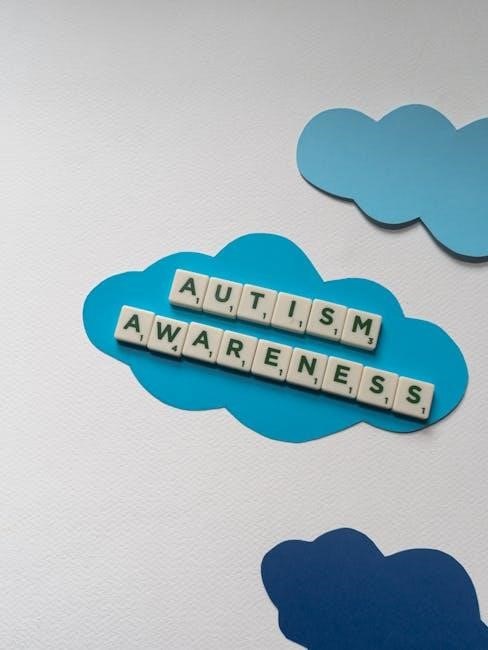
While a free PDF of “Unmasking Autism” is legally restricted, abundant resources explore this vital topic. The Autistic Self Advocacy Network (ASAN) provides articles, webinars, and toolkits on masking and unmasking, promoting autistic voices and self-determination. Numerous blogs and websites, created by autistic individuals, share personal experiences and insights into the unmasking process.
Online communities and forums, like Reddit’s r/autism, offer supportive spaces for discussion and learning. Podcasts featuring autistic guests often address unmasking, offering diverse perspectives. Devon Price’s website may contain supplementary materials and links to relevant resources. Remember to critically evaluate information and prioritize sources created by autistic individuals. These free avenues provide valuable knowledge and support for understanding and navigating unmasking.
Audiobook Options for “Unmasking Autism”
For those preferring audio learning, “Unmasking Autism” by Devon Price is readily available as an audiobook. Platforms like Audible offer the audiobook for purchase, allowing listeners to engage with the text in a different format. This is a legal and ethical alternative to seeking unauthorized PDF copies. The audiobook is narrated in a way that enhances the emotional impact of Price’s personal experiences and research.
Listeners can benefit from the nuanced delivery, gaining a deeper understanding of the complexities of masking and unmasking. Audible often provides sample chapters, allowing potential buyers to experience the narration style. Subscriptions to audiobook services can provide cost-effective access to “Unmasking Autism” and a vast library of other titles. Embracing this format supports the author and promotes accessibility.
The Masked Singer & Unmasking as a Metaphor
The popular television show, “The Masked Singer,” presents a compelling metaphor for the process of unmasking. Contestants conceal their identities behind elaborate costumes, performing until their eventual “unmasking” reveals their true selves. This parallels the autistic experience of masking, where individuals hide their authentic traits to navigate neurotypical society. The show’s dramatic reveals highlight the vulnerability and courage involved in showing one’s true identity.
The anticipation surrounding each unmasking mirrors the internal struggle many autistic individuals face when considering letting go of learned masking behaviors. It’s a journey of self-discovery and acceptance, often met with both excitement and trepidation. The show’s format, while entertainment, subtly underscores the societal pressure to conform and the liberation found in authenticity.
Galaxy Girl and Season 14 of The Masked Singer
Season 14 of “The Masked Singer” culminated in the victory of Galaxy Girl, whose identity was revealed through a clue from Jessica Simpson. This unmasking, like others on the show, represents a shedding of disguise to reveal the person underneath. While seemingly light entertainment, the show’s core concept resonates with the themes explored in Devon Price’s “Unmasking Autism.”
The journey of Galaxy Girl, concealing her identity week after week, can be seen as analogous to the autistic experience of masking. The eventual reveal symbolizes the liberation and self-acceptance that comes with unmasking. The show’s popularity suggests a cultural fascination with uncovering hidden truths and celebrating authenticity, mirroring the growing awareness and acceptance of neurodiversity.
Phillip Phillips and Pugcasso ― A Case Study in Unmasking
The revelation of Phillip Phillips as Pugcasso on “The Masked Singer” provides an interesting parallel to the concept of unmasking, though not directly related to autism. Phillips’ performance, hidden behind a costume, allowed a different facet of his artistry to emerge, free from pre-conceived notions. This act of presentation, while entertainment-focused, echoes the autistic individual’s experience of presenting a curated self to the world.
McCarthy Wahlberg correctly guessed Phillips’ identity, highlighting the subtle clues that hinted at his true self. The unmasking moment, like the process described in Devon Price’s work, involved a shedding of a constructed persona. While not a direct analogy, it illustrates the universal human desire for authenticity and the relief of being seen for who one truly is.
Embracing Neurodiversity and Authenticity
Unmasking autism isn’t about erasing boundaries, but about creating environments where authenticity flourishes. Devon Price’s “Unmasking Autism” powerfully advocates for self-acceptance and challenges societal expectations that demand conformity. The journey of unmasking, while challenging, ultimately leads to reduced anxiety, burnout, and a stronger sense of self. Embracing neurodiversity means recognizing that different brains function differently, and that’s a strength, not a deficit.
Accessing resources, like those available online, and fostering safe spaces are crucial steps. The goal isn’t to eliminate social awareness, but to lessen the exhausting burden of constant performance. Authenticity allows for genuine connection and a richer, more fulfilling life, free from the constraints of masking.