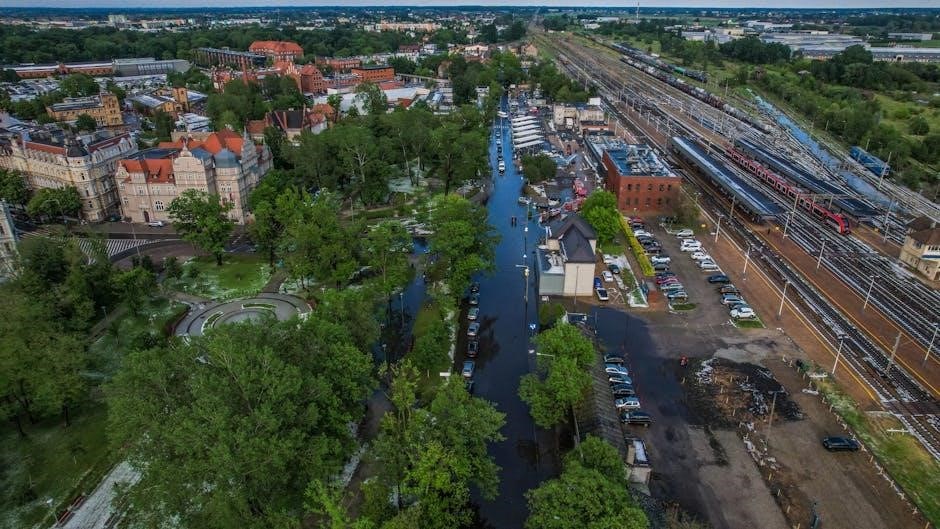
The Washington State Department of Ecology’s Stormwater Management Manual for Western Washington (SWMMWW) guides effective and sustainable stormwater practices․
Purpose and Scope of the SWMMWW
The SWMMWW serves as the primary technical guidance document for stormwater management in Western Washington, ensuring compliance with state and federal regulations․ Its core purpose is to protect water quality and reduce the impacts of stormwater runoff on receiving waters․ The manual details Minimum Requirements, outlining specific strategies for new development and redevelopment projects;

The scope encompasses a wide range of stormwater controls, from source control Best Management Practices (BMPs) like vegetation management, to flow control and treatment options․ It applies to various entities, including cities, counties, and developers, providing a consistent framework for managing stormwater․ The 2024 edition builds upon previous versions, incorporating updated science and best practices to address evolving challenges in stormwater management․
Regulatory Context and History
The SWMMWW’s development is deeply rooted in federal and state regulations, primarily the Clean Water Act and Washington State’s Water Pollution Control Act․ Initial versions responded to Phase I and Phase II National Pollutant Discharge Elimination System (NPDES) permits, requiring local jurisdictions to address stormwater runoff․
Early iterations, like the 2005 Construction Stormwater Pollution Prevention manual (Volume II), focused on minimizing erosion and sediment control during construction․ Subsequent updates, including the 2024 edition, reflect evolving understanding of stormwater impacts and advancements in BMP technology․ Ecology continually revises the SWMMWW to align with current scientific knowledge and regulatory requirements, ensuring effective protection of Washington’s valuable water resources;

Key Components of the SWMMWW (2024)
The 2024 manual details minimum requirements, source control BMPs, flow control strategies, and treatment options for managing stormwater effectively in Western Washington․
Minimum Requirements for Stormwater Management
The SWMMWW establishes a series of minimum technical requirements to protect the quality and quantity of stormwater runoff․ These requirements are legally binding for new development and redevelopment projects within Western Washington․ Key areas include implementing source control Best Management Practices (BMPs) to reduce pollution at its origin, managing stormwater flow rates to prevent flooding and erosion, and providing adequate treatment to remove pollutants before discharge․
Compliance ensures projects minimize impacts on receiving waters, protecting aquatic life and human health․ The manual details specific criteria for each requirement, considering factors like site conditions, land use, and potential environmental impacts․ Adhering to these minimums is crucial for obtaining project approvals and maintaining environmental stewardship․
Source Control BMPs
Source control Best Management Practices (BMPs) are fundamental to the SWMMWW’s approach, focusing on preventing pollution before it enters stormwater runoff․ These practices minimize the generation of pollutants at the source, reducing the need for extensive treatment later․ Examples include implementing proper waste management procedures, covering storage areas, and utilizing low-impact landscaping techniques․
Effective source control significantly improves water quality and reduces the overall volume of stormwater requiring management․ The manual categorizes source control BMPs into vegetation and soil management, and pollution control measures․ Prioritizing these preventative actions is a cost-effective and environmentally sound strategy for sustainable stormwater management in Western Washington․
Vegetation and Soil Management
Vegetation and soil management BMPs within the SWMMWW emphasize preserving natural landscapes and minimizing soil disturbance during construction and development․ These practices aim to maintain the hydrological functions of the site, reducing runoff volume and erosion potential․ Techniques include utilizing native vegetation, minimizing impervious surfaces, and implementing effective erosion and sediment control measures․
Proper soil management is crucial for infiltration and pollutant removal․ The manual details methods for soil amendment, compaction avoidance, and stabilization․ By prioritizing healthy vegetation and stable soils, these BMPs contribute significantly to reducing stormwater impacts and protecting water quality in Western Washington’s sensitive ecosystems․
Pollution Control Source Controls
Pollution control source controls, as detailed in the SWMMWW, focus on preventing pollutants from entering stormwater runoff at their source․ These Best Management Practices (BMPs) address a wide range of potential contaminants, including oil, grease, heavy metals, pesticides, and fertilizers․ Common strategies include covered storage areas for materials, proper waste management procedures, and designated vehicle maintenance zones․
The manual emphasizes public education and outreach to promote responsible practices among residents and businesses․ Implementing these source controls minimizes the need for costly and less effective downstream treatment methods, ultimately protecting the quality of receiving waters throughout Western Washington․ Regular inspections and maintenance are vital for sustained effectiveness․
Flow Control BMPs
Flow control BMPs, as outlined in the SWMMWW, are crucial for managing the rate and volume of stormwater runoff․ These practices aim to mimic pre-development hydrologic conditions, reducing the risk of downstream erosion and flooding․ Key techniques include detention and retention facilities, designed to temporarily store stormwater and release it at a controlled rate․
The manual details specific design criteria for various flow control structures, considering factors like drainage area, rainfall intensity, and site-specific conditions․ Proper implementation of these BMPs protects stream channels, prevents property damage, and maintains the ecological health of watersheds in Western Washington․ Regular maintenance ensures long-term functionality and effectiveness․
Detention Facilities
Detention facilities, detailed within the SWMMWW, temporarily store stormwater runoff and release it at a controlled rate, typically using gravity․ These are often dry ponds or surface storage areas designed to manage peak flows and reduce downstream impacts․ The manual provides guidance on sizing detention facilities based on required storage volumes and discharge rates, considering factors like rainfall intensity and drainage area characteristics․
Proper design incorporates outlet structures to regulate release, preventing erosion and protecting receiving waters․ Considerations include safety features, access for maintenance, and integration with site landscaping․ Effective detention minimizes flooding risks and supports the overall stormwater management strategy in Western Washington, aligning with Ecology’s guidelines․
Retention Facilities
Retention facilities, as outlined in the SWMMWW, permanently hold stormwater, allowing for evaporation, infiltration, and biological uptake․ These are commonly constructed as ponds or wetlands, providing water quality benefits alongside flow control․ The manual details design criteria for retention volumes, considering factors like rainfall, watershed characteristics, and desired water levels․
Key design elements include liners (if needed), inlet and outlet structures, and vegetation selection to maximize pollutant removal․ Retention facilities also offer habitat value and aesthetic improvements․ Careful consideration must be given to mosquito control and public safety․ Properly designed retention systems contribute significantly to comprehensive stormwater management in Western Washington, adhering to Ecology’s standards․
Treatment BMPs
The SWMMWW emphasizes Treatment Best Management Practices (BMPs) to remove pollutants from stormwater runoff before discharge․ These BMPs are crucial for protecting water quality in Western Washington’s sensitive ecosystems․ The manual categorizes treatment options based on their effectiveness in removing various pollutants, including sediment, oil, heavy metals, and pathogens․
Treatment BMPs range from simple filtration systems to more complex engineered solutions․ Selection depends on site-specific conditions, pollutant sources, and regulatory requirements․ Common examples include bioretention facilities, swales, and filter strips, each with detailed design guidance within the manual․ Proper implementation and maintenance are vital for ensuring long-term treatment performance and compliance with Ecology’s standards․
Bioretention Facilities
Bioretention facilities, often called rain gardens, are a key Treatment BMP detailed within the SWMMWW․ These landscaped depressions utilize engineered soil mixes and vegetation to remove pollutants from stormwater runoff․ They effectively filter sediment, remove nutrients, and can even reduce runoff volume through evapotranspiration․
The manual provides comprehensive guidance on bioretention design, including soil composition specifications, plant selection criteria, and underdrain system requirements․ Proper design ensures adequate infiltration and pollutant removal capacity․ Maintenance is crucial, involving regular sediment removal and vegetation management to maintain functionality․ Bioretention facilities offer an aesthetically pleasing and environmentally beneficial stormwater solution․
Swales and Filter Strips
The SWMMWW extensively covers swales and filter strips as effective Treatment BMPs for stormwater management․ Vegetated swales are broad, shallow channels designed to convey and treat runoff, slowing flow velocities and promoting infiltration․ Filter strips, typically positioned along impervious surfaces, sheet flow across them, allowing for pollutant removal through filtration and sedimentation․
Design considerations detailed in the manual include slope, vegetation type, and soil characteristics․ Proper vegetation establishment is vital for optimal performance․ Regular maintenance, such as mowing and sediment removal, is essential to preserve their functionality․ These BMPs are cost-effective and adaptable to various site conditions, offering a simple yet powerful approach to stormwater quality improvement․

Construction Stormwater Pollution Prevention
Volume II of the SWMMWW focuses on preventing construction-related stormwater pollution, detailing Erosion and Sediment Control and Water Quality BMPs․
Erosion and Sediment Control BMPs
Erosion and Sediment Control Best Management Practices (BMPs) are crucial during construction to minimize soil disturbance and prevent sediment from leaving the site․ These practices, detailed within the SWMMWW, aim to stabilize soil, control runoff velocity, and trap sediment before it reaches waterways․ Common BMPs include silt fences, straw wattles, erosion control blankets, and sediment traps․ Proper implementation requires careful planning, regular inspection, and timely maintenance․
The manual emphasizes selecting BMPs appropriate for site-specific conditions, considering factors like soil type, slope, rainfall intensity, and construction phasing․ Effective erosion control begins with preserving existing vegetation wherever possible and quickly establishing new vegetation on disturbed areas․ Detailed guidance is provided on BMP installation, performance standards, and inspection frequencies to ensure their effectiveness throughout the construction process․
Water Quality BMPs for Construction Sites
Beyond erosion and sediment control, construction sites require Water Quality BMPs to manage other pollutants potentially impacting stormwater runoff․ The SWMMWW outlines practices to address issues like concrete washout, fuel spills, and dust control․ These BMPs focus on preventing pollutants from entering stormwater through source control and treatment methods․ Examples include covered material storage, designated washout areas for concrete equipment, and regular street sweeping․
Proper housekeeping is paramount, alongside spill prevention and response plans․ The manual details requirements for managing hazardous materials and ensuring proper disposal of waste․ Implementing these BMPs protects receiving waters from construction-related pollution, contributing to overall environmental health․ Regular monitoring and adaptive management are also key components of a successful stormwater pollution prevention plan․

Post-Construction Stormwater Management
Post-construction practices, detailed in the SWMMWW, aim to mimic natural hydrologic processes, managing runoff volume and pollutant loads effectively․
On-Site Stormwater Retention and Detention
The SWMMWW emphasizes on-site stormwater management through retention and detention facilities, crucial for mitigating downstream impacts․ Retention, storing runoff for gradual release or reuse, differs from detention, which temporarily holds water before discharging it․
These practices reduce peak flows, lessening erosion and flooding risks․ Proper design, guided by the manual, considers factors like rainfall intensity, site characteristics, and receiving water limitations․ Implementing these strategies minimizes the burden on regional stormwater infrastructure․
Effective on-site management is paramount for protecting water quality and maintaining the ecological health of Western Washington’s watersheds, aligning with the SWMMWW’s core principles․
Green Infrastructure Approaches
The SWMMWW strongly advocates for Green Infrastructure (GI) – a suite of practices mimicking natural hydrologic processes․ GI encompasses techniques like bioretention, rain gardens, and permeable pavements, offering multiple benefits beyond stormwater control․
These approaches enhance water quality, reduce urban heat island effects, and create valuable habitat․ GI prioritizes infiltration, evapotranspiration, and reuse, minimizing reliance on traditional “grey” infrastructure․ The manual provides detailed guidance on selecting and designing appropriate GI practices for specific site conditions․
Integrating GI into development projects fosters sustainable communities and contributes to the long-term ecological health of Western Washington’s landscapes․
Long-Term Maintenance Requirements
Effective stormwater management extends beyond initial construction; consistent long-term maintenance is crucial for sustained performance․ The SWMMWW emphasizes the development of comprehensive maintenance plans for all implemented BMPs․
These plans should detail inspection schedules, cleaning protocols, repair procedures, and responsible parties․ Regular maintenance ensures facilities function as designed, preventing failures and protecting water quality․ Neglecting maintenance can lead to reduced effectiveness, increased costs, and potential environmental impacts․
Proper documentation of maintenance activities is also essential for demonstrating compliance with regulatory requirements and ensuring accountability․
Specific BMP Details and Design Guidance
The SWMMWW provides detailed design specifications and protocols for common BMPs, ensuring proper implementation and functionality for effective stormwater control․
Detailed Design Specifications for Common BMPs
This section of the SWMMWW meticulously outlines the design criteria for frequently utilized Best Management Practices (BMPs)․ It delves into specifics for bioretention facilities, detailing soil composition, plant selection, and underdrain configurations․ For detention and retention facilities, comprehensive guidance covers sizing calculations, outlet structure design, and safety considerations․
Furthermore, detailed specifications are provided for swales and filter strips, including slope recommendations, vegetation types, and check dam placement․ The manual emphasizes adherence to these specifications to guarantee optimal performance and longevity of each BMP․ Accurate implementation, based on these guidelines, is crucial for achieving effective stormwater management and protecting water quality throughout Western Washington․
Inspection and Maintenance Protocols

Consistent inspection and diligent maintenance are paramount to the long-term effectiveness of stormwater BMPs, as detailed within the SWMMWW․ Regular visual assessments are crucial for identifying sediment accumulation, vegetation health, and structural integrity․ The manual provides schedules for routine maintenance tasks, including sediment removal from detention ponds, clearing debris from inlets, and pruning vegetation in bioretention facilities․
Detailed protocols outline proper documentation procedures for all inspections and maintenance activities․ Addressing issues promptly prevents diminished performance and costly repairs․ This proactive approach ensures continued compliance with regulatory requirements and safeguards the environmental benefits provided by these essential stormwater management systems throughout Western Washington․

Resources and Appendices
The SWMMWW includes vital Washington State regulations and links to additional stormwater resources for comprehensive guidance and continued learning․
Relevant Washington State Regulations
Numerous Washington State regulations underpin the Stormwater Management Manual for Western Washington (SWMMWW), ensuring consistent and legally sound stormwater management practices․ Key among these is the Clean Water Act, driving the need to protect state waters from pollution․ Specifically, Chapter 173-340 of the Washington Administrative Code (WAC) details the Minimum Requirements for Stormwater Management, forming the core of the SWMMWW’s guidance․
Further regulations address construction stormwater pollution prevention, as outlined in Volume II of the SWMMWW (2005 edition referenced)․ These rules dictate Erosion and Sediment Control BMPs and Water Quality BMPs for construction sites․ Compliance with these regulations is crucial for obtaining permits and avoiding penalties․ The Department of Ecology continually updates these regulations to reflect best available science and evolving environmental concerns, making ongoing awareness essential for professionals․
Links to Additional Stormwater Resources

Beyond the SWMMWW itself, a wealth of resources supports effective stormwater management in Washington State․ The Washington State Department of Ecology (Ecology) website (https://ecology․wa․gov/) provides access to the latest versions of the manual, regulatory updates, and technical assistance documents․
Furthermore, Ecology offers training opportunities and workshops for stormwater professionals․ Local governments and conservation districts often maintain their own stormwater websites with region-specific guidance․ The Environmental Protection Agency (EPA) (https://www․epa․gov/) provides national-level resources and best management practices․ University extension programs, like Washington State University, also offer valuable educational materials and research findings related to stormwater management and green infrastructure․