
The 22.1 disclosure form in Illinois serves as a mandatory document for various legal and financial disclosures. It ensures transparency, compliance, and accurate record‑keeping for individuals subject to state regulations. Proper completion is essential. It safeguards interests and ensures compliance. now
Purpose of the Disclosure Form
The 22.1 disclosure form is a critical instrument mandated by Illinois law to capture essential information about an individual’s financial and legal status. Its primary purpose is to provide a standardized method for reporting assets, liabilities, and potential conflicts of interest to regulatory bodies, ensuring transparency and accountability in public and private sectors. By requiring detailed disclosures, the form helps prevent fraud, money laundering, and other illicit activities that could undermine the integrity of financial institutions and public officials. Additionally, the form serves as a tool for risk assessment, allowing regulators to identify high‑risk individuals or entities early in the process. It also facilitates compliance with federal statutes such as the Bank Secrecy Act and the USA PATRIOT Act, which demand thorough documentation of financial activities. For individuals, completing the 22.1 form accurately and timely can mitigate legal penalties, protect reputational standing, and foster trust among stakeholders. In corporate contexts, the form supports due diligence efforts during mergers, acquisitions, or public offerings by providing a clear snapshot of financial health and potential liabilities. Ultimately, the 22.1 disclosure form functions as a cornerstone of regulatory oversight, promoting ethical conduct, safeguarding public interests, and maintaining confidence in the financial system. By adhering to these disclosure requirements, parties demonstrate their commitment to integrity and help uphold the rule of law across all levels of governance. Indeed.

Legal Background
Illinois statutes mandate the 22.1 form, aligning with federal AML rules. The Illinois Department of Financial and Professional Regulation enforces compliance, imposing penalties for non‑submission. This legal framework ensures transparency and protects public trust. All comply.!!

Illinois Disclosure Requirements
Illinois requires the 22.1 disclosure form to be filed by entities and individuals engaged in regulated activities. The form captures detailed information about ownership, financial status, and potential conflicts of interest; Compliance is enforced by the Illinois Department of Financial and Professional Regulation (IDFPR). Failure to submit the form can result in civil penalties, license suspension or revocation. The form must be updated annually or whenever material changes occur. Entities must provide accurate, truthful data, and must retain supporting documentation for a minimum of five years. The IDFPR reviews submissions for consistency, completeness, and adherence to state statutes. This process ensures transparency and protects the public from fraudulent or unethical practices. The 22.1 form aligns with federal anti‑money laundering (AML) regulations, reinforcing the state’s commitment to financial integrity. All parties should verify that the form is current, complete, and signed before submission. Proper filing not only satisfies legal obligations but also builds trust with regulators and stakeholders. Compliance with the 22.1 disclosure requirements is a cornerstone of ethical business conduct in Illinois.
To ensure compliance, entities should keep a copy of the completed form and any supporting documents. The IDFPR may request additional information or clarification. Timely submission helps avoid administrative delays and maintains the integrity of regulatory process. All stakeholders benefit from disclosure; All Here
Relevant Statutes and Regulations
Illinois statutes governing the 22.1 disclosure form are primarily found in the Illinois Compiled Statutes (ILCS) Chapter 5, specifically Sections 5/12‑1 through 5/12‑5, which outline the obligations of licensed professionals and entities to disclose financial interests, affiliations, and potential conflicts. The Illinois Securities Act (ILCS 5/12‑1) mandates that individuals who hold positions of influence in securities firms must file the 22.1 form annually. Additionally, the Illinois Business Practices Act (ILCS 5/12‑3) requires that any business engaged in consumer finance disclose material information to protect consumers from deceptive practices. The Illinois Department of Financial and Professional Regulation (IDFPR) has issued administrative rules under 5/12‑2 that detail the format, required signatures, and electronic filing procedures for the 22.1 form. These rules also specify the retention period for records, which is five years from the date of filing. Compliance with federal regulations, such as the Bank Secrecy Act (BSA) and the USA PATRIOT Act, is incorporated into the state’s disclosure framework to ensure anti‑money laundering (AML) standards are met. Failure to comply with these statutes can result in civil penalties, license revocation, or criminal charges. Therefore, entities must stay current with statutory amendments and regulatory updates to maintain compliance and avoid legal repercussions. The IDFPR provides guidance documents and FAQs to assist applicants in correctly completing the 22.1 form in accordance with all applicable statutes and regulations.


Form Structure
The 22.1 disclosure form is divided into four main sections: applicant details, financial interests, affiliations, and certification. Each section requires specific data, signatures, and supporting documents, ensuring comprehensive transparency. All sectionsok

Key Sections of the Form
The 22.1 disclosure form is organized into distinct sections that collectively capture all required information. The first section collects basic applicant data, including name, address, and contact details. The second section enumerates financial interests, such as bank accounts, investments, and real‑estate holdings, with fields for amounts and dates. The third section addresses affiliations, covering memberships in organizations, board positions, and any advisory roles. The final section requires a certification statement, where the applicant affirms the accuracy of the information and signs electronically. Each section is designed to be self‑contained, with clear labels and guidance notes to help respondents fill out the form accurately. Proper completion of every section is essential for compliance and to avoid delays in processing. Additionally, the form includes a section for disclosures of potential conflicts of interest, requiring applicants to list any relationships that might influence their duties. This part ensures that stakeholders are aware of any personal or financial ties that could affect decision‑making. The form also asks for a statement of intent, where the applicant confirms commitment to uphold ethical standards and comply with applicable laws. Finally, a signature block is provided for the applicant to electronically sign and date the submission, thereby validating the accuracy of all information provided. The form’s design emphasizes clarity, with each field labeled explicitly and accompanied by concise instructions to minimize errors and streamline the review process.
Information Required
The form requires the following information: applicant identification, financial holdings, real‑estate interests, outstanding debts, professional affiliations, and conflict‑of‑interest declaration. The form requires the following information: applicant identification, financial holdings, real‑estate interests, outstanding debts, professional affiliations, and conflict‑of‑interest declaration. The form requires the following information: applicant identification, financial holdings, real‑estate interests, outstanding debts, professional affiliations, and conflict‑of‑interest declaration. The form requires the following information: applicant identification, financial holdings, real‑estate interests, outstanding debts, professional affiliations, and conflict‑of‑interest declaration. The form requires the following information: applicant identification, financial holdings, real‑estate interests, outstanding debts, professional affiliations, and conflict‑of‑interest declaration. The form requires the following information: applicant identification, financial holdings, real‑estate interests, outstanding debts, professional affiliations, and conflict‑of‑interest declaration. The form requires the following information: applicant identification, financial holdings, real‑estate interests, outstanding debts, professional affiliations, and conflict‑of‑interest declaration. The form requires the following information: applicant identification, financial holdings, real‑estate interests, outstanding debts, professional affiliations, and conflict‑of‑interest declaration. All details must be accurate.!
How to Obtain the PDF
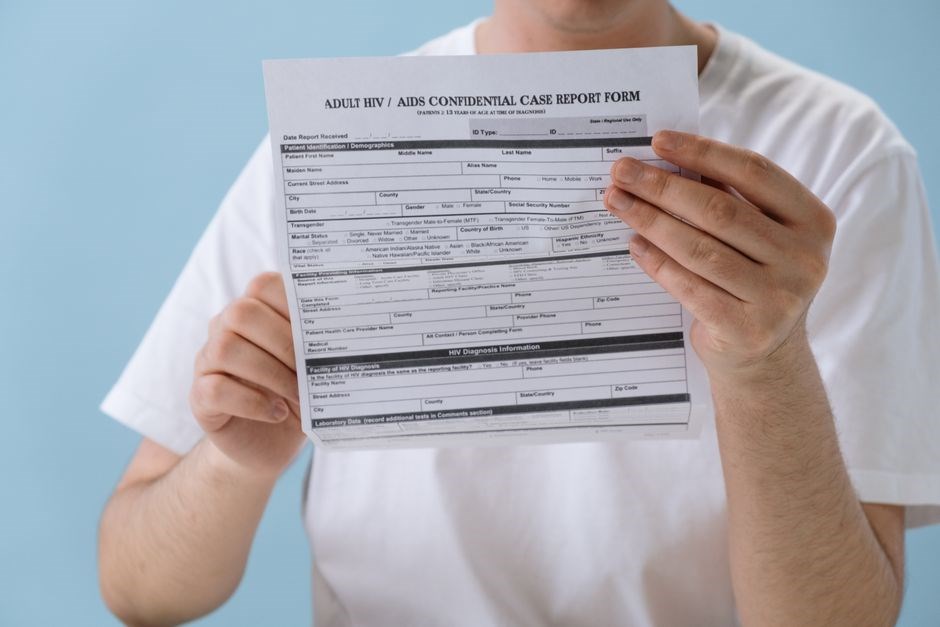
The 22.1 form is available from the Illinois Secretary of State website. Navigate to the “Forms” section, locate the 22.1 disclosure form, and click the PDF link. Alternatively, request a copy via email or fax from the office. Ensure you use the latest version. Download now.?!
Official Sources

Third-Party Providers
Third‑party providers give users quick access to the 22.1 disclosure form, especially for users who prefer a pre‑filled template and integrated e‑filing options. They pull the official PDF from state repositories, validate fields, and present a user‑friendly interface. Popular choices include legal‑tech firms, tax‑preparation software, and commercial PDF editors that host the Illinois PDF. Users may download the form directly from the provider’s site after a brief registration. Many services offer cloud storage, allowing the completed form to be saved, shared, and electronically signed. It is important to confirm that the provider’s version matches the latest official release; most platforms update automatically, but manual verification is advised. When selecting a provider, consider data security, compliance with Illinois privacy laws, and customer support availability. Some platforms charge a nominal fee for premium features such as bulk download or advanced validation tools, while basic access remains free. By using reputable third‑party services, users can streamline the completion process, reduce errors, and maintain a clear audit trail. Many providers also integrate with accounting software, enabling automatic population of financial data, which reduces duplication and ensures consistency. Some offer mobile apps for on‑the‑go completion, live chat support for assistance. Bulk licensing options are available for businesses needing multiple copies, often at a discounted rate. Keep a backup of the original PDF from the state source to verify authenticity if needed. Customers can also download a PDF. They also offer cloud backup options today. Overall, third‑party providers can save time and reduce mistakes, provided users verify the form’s authenticity and comply with Illinois regulations.

Completing the Form
Fill each field accurately, use the official PDF, double‑check dates and signatures, and keep a copy for records. Save the file in PDF format, then submit electronically or by mail per state guidelines. Verify all sections before finalizing. Double‑check all entries accuracy.
Step-by-Step Instructions
- Download the official 22.1 disclosure form PDF from the Illinois Secretary of State website or an authorized portal.
- Open the PDF using a viewer that supports form fields.
- Read the introductory section to understand the required information and definitions.
- Enter your personal details in the designated fields: name, address, contact numbers, and identification numbers.
- Provide financial disclosures, including assets, liabilities, and any related‑party relationships as specified.
- Complete the section on prior legal or regulatory findings, ensuring accuracy and honesty.
- Attach supporting documents if required, such as proof of ownership or financial statements.
- Review all entries for completeness and correctness; check for typos or missing data.
- Sign the form electronically or print, sign manually, and date the signature line.
- Save the completed form as a new PDF file, preserving the original template for reference.
- Submit the PDF through the designated electronic portal or mail it to the specified address within the required timeframe.
- Retain a copy of the signed form and any submission confirmation for your records.
- Verify that the PDF file size does not exceed the portal’s upload limit.
- Confirm that the PDF is not corrupted by opening it again after saving.
- Keep a backup of the completed PDF on a secure external drive or cloud storage.
- MM/DD/YYYY date format musts
Common Mistakes to Avoid
When completing the 22.1 disclosure form, several pitfalls can derail compliance. First, neglecting to fill every required field leads to automatic rejection; blank boxes trigger error messages. Second, using informal language or abbreviations for legal terms can be misinterpreted and may be considered non‑compliant. Third, failing to attach required supporting documents—such as proof of ownership or financial statements—results in incomplete submission. Fourth, signing the form with a digital signature that does not meet the state’s authentication standards can invalidate the entire document. Fifth, submitting the PDF with a file size exceeding the portal’s limit causes upload failure. Sixth, using a non‑standard PDF viewer that does not preserve form fields can corrupt the data. Seventh, omitting the correct date format (MM/DD/YYYY) or leaving the signature date blank triggers a compliance flag. Eighth, not retaining a backup copy of the signed form can lead to loss of evidence if a dispute arises. Finally, ignoring the deadline specified in the instructions can result in penalties or denial of the filing. By carefully reviewing each section, double‑checking entries, and following the official guidelines, you can avoid these common errors and ensure a smooth submission process.
Additionally, misreporting financial figures by rounding or omitting decimal places can trigger audit. Using outdated form versions may lead to incompatibility. Not verifying the form against the latest statutory changes can cause inadvertent omissions. Lastly, failing to confirm the electronic submission receipt can leave you uncertain about the filing status. These oversights, though seemingly minor, can have significant legal and financial repercussions, so meticulous attention to detail is paramount.
To mitigate these risks, establish a checklist before starting the form. Verify that all personal identifiers match official records. Confirm that asset values are current and sourced from reliable documents. Ensure that all signatures are signed in the presence of a notary if required. Finally, after submission, keep a copy of the confirmation email or receipt and schedule a follow‑up to confirm receipt by the state office.

Submission and Filing
After completing the 22.1 disclosure form, the next step is to submit it through the designated portal or by mail to the Illinois Department of Financial and Professional Regulation. The portal requires a secure login and a valid user ID; if you do not have one you must register beforehand. When uploading the PDF, ensure that file size does not exceed the 5 MB limit and that the document is not password‑protected. The system will perform a quick validation check; any errors will be highlighted in red prompting you to correct them before final submission. Once file passes validation you will receive an electronic confirmation number. Keep this number for future reference as it serves as proof of filing. If you opt to mail the form use certified mail and retain receipt. The department will acknowledge receipt within 10 business days and you will receive a stamped copy of filed form. It is advisable to keep both original and a copy of signed PDF for your records. Failure to file within statutory deadline can result in penalties or a denial of filing. Therefore timing is critical. After filing monitor your email for any correspondence from department regarding information or corrections. Promptly address any requests to avoid delays. Once department confirms acceptance form becomes part of publicandtimelyrecord and is available for future reference by regulatory bodies or interested parties. Maintaining accurate records and timely filing ensures compliance with Illinois law and protects your legal and financial interestsdaily